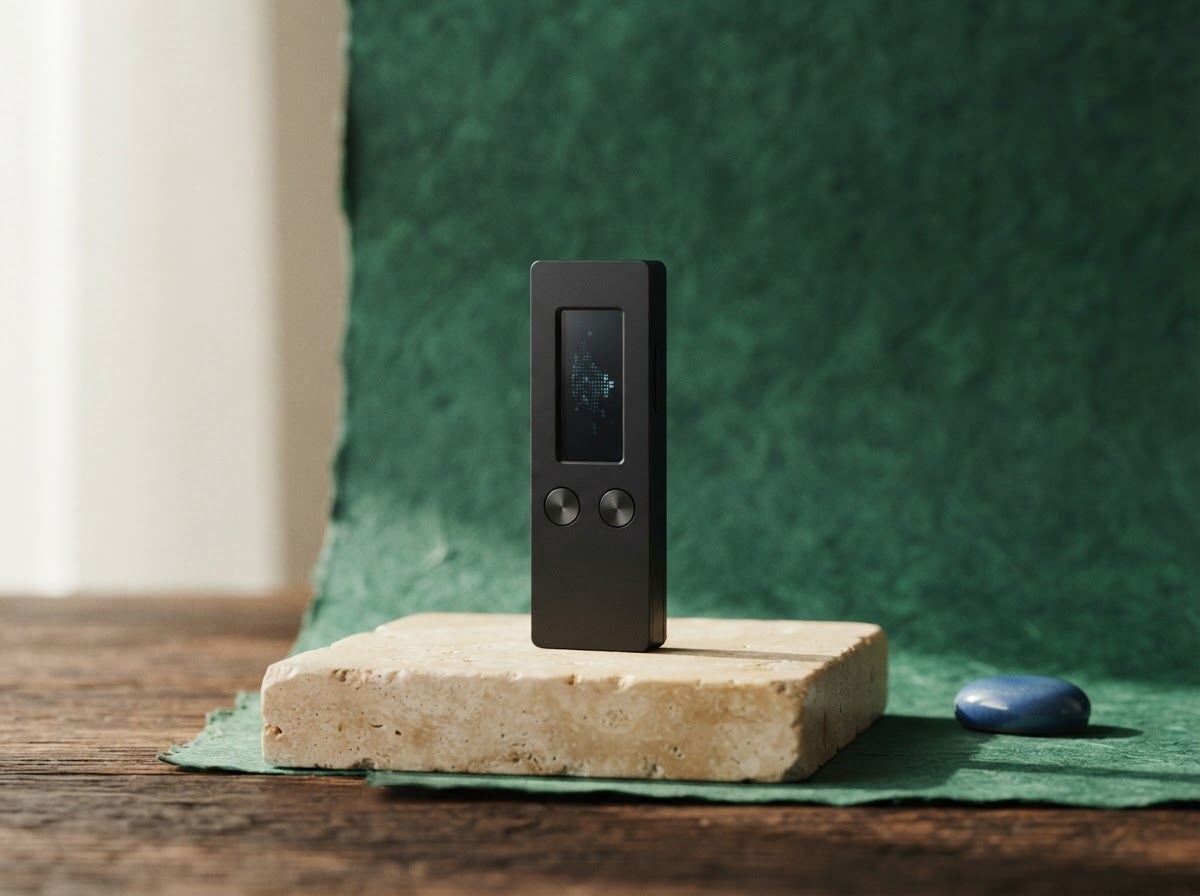
A hardware wallet is only one part of a crypto routine. You also need a way to inspect accounts, follow activity and prepare transactions. Trezor Suite is designed as that companion workspace, bringing device interaction and portfolio information into one interface. This guide explains the experience without treating any software view as a substitute for careful verification.
Names, supported assets and interface details may evolve. For current compatibility and security guidance, consult the product’s official documentation directly, reached through a trusted source.
Desktop and web: understanding the difference
In broad terms, a desktop app is installed on a computer, while a web experience is accessed through a browser. Both can offer a route into a companion interface, but their availability, setup steps and supported capabilities may differ over time. Do not assume that every release behaves identically across platforms.
Choose the option that fits your device and habits. Download software only from a source you have independently verified; for browser access, check the address and connection carefully. When in doubt, pause and compare the information with current official guidance.
A practical distinction, not a claim that one is universally safer or more capable. Check current official product documentation for specifics.
Getting started
Begin with the hardware wallet and a computer or browser you trust. Install or open the relevant Suite experience using a verified source, connect the device as instructed and follow the on-screen setup prompts. The exact flow can vary by device model and software version, so read each screen rather than relying on a remembered walkthrough.
If setting up a new wallet, take time to understand the recovery backup instructions provided for your model. Keep recovery information private and offline; never type it into an unfamiliar website, share it with someone claiming to offer support, or photograph it for cloud storage. A legitimate support interaction should not require disclosure of your recovery words.
Account and portfolio overview
The workspace can help make account balances and transaction activity easier to inspect. Portfolio figures are informational snapshots: asset prices move, networks update at different speeds and displayed totals may not reflect every external account or pending transaction. Treat the view as a useful overview, not an audited statement or a promise of value.
Explore account names and transaction history before taking action. Check the asset, network and destination details carefully whenever you prepare a transaction. Small differences in network selection or address can have significant consequences.
Device connection
Connection links your Suite session with the hardware wallet. Follow the prompts for your model and confirm that the device is recognized as expected. When an action calls for approval, review the details on the device display itself; the physical device provides an important independent checkpoint.
Disconnect when finished if that suits your routine, and avoid using shared or untrusted computers for sensitive activity. Never approve an unexpected prompt simply to dismiss it.
Security features and good habits
Security is a practice, not a single toggle. Keep your device PIN and recovery backup private, use a computer you trust and verify transaction information on the hardware wallet before confirming. Be wary of urgent messages, sponsored search results, unsolicited direct messages and “support” requests for secrets.
Use official documentation for model-specific features and understand what each setting changes before enabling it. A hardware wallet can help keep private keys under your control, but it cannot prevent every mistake, phishing attempt or loss of recovery material.
Software updates
Updates can include compatibility changes, fixes and improvements. Read the release information and follow the supported update instructions for your specific device and Suite version. Start with a charged, stable computer setup and do not interrupt an update unless the instructions say to do so. If a prompt seems unusual, stop and verify it through official help resources before proceeding.
Beginner mistakes to avoid
- Trusting a search result blindly. Verify software sources and browser addresses independently.
- Sharing recovery words. No one helping remotely should need your private backup.
- Approving without reading. Compare recipient, amount and network on the device.
- Assuming a balance is live or complete. Check timestamps, pending activity and account scope.
- Rushing setup. Take time to understand backup and recovery instructions before funding an account.
Frequently asked questions
Is Trezor Suite the hardware wallet?
No. It is companion software used alongside a supported hardware wallet. The device and interface serve different roles.
Is the desktop experience different from web access?
The access method differs—installed software versus a browser-based experience. Specific availability and capabilities may change, so confirm them in current official documentation.
Can Suite guarantee that my assets are safe?
No software can guarantee that. Device verification, careful handling of recovery information and protection from phishing remain essential.
Where should I get help?
Use verified official documentation and support channels. This independent guide is educational and cannot troubleshoot your account or device.
09 THE TAKEAWAY
A useful workspace, best used thoughtfully.
Trezor Suite brings device interaction and portfolio context together, whether you access it through a desktop or web experience. Learn the basics, verify what matters on the device, and make security habits part of every session. For current features and step-by-step instructions, rely on official documentation.
Fieldnotes is an independent educational publication. We are not affiliated with, endorsed by or the official website of Trezor. Product names are used for identification only.